Tag: https://www.m88linkcn1.com
Easiest Casino Game to Win and Why the...
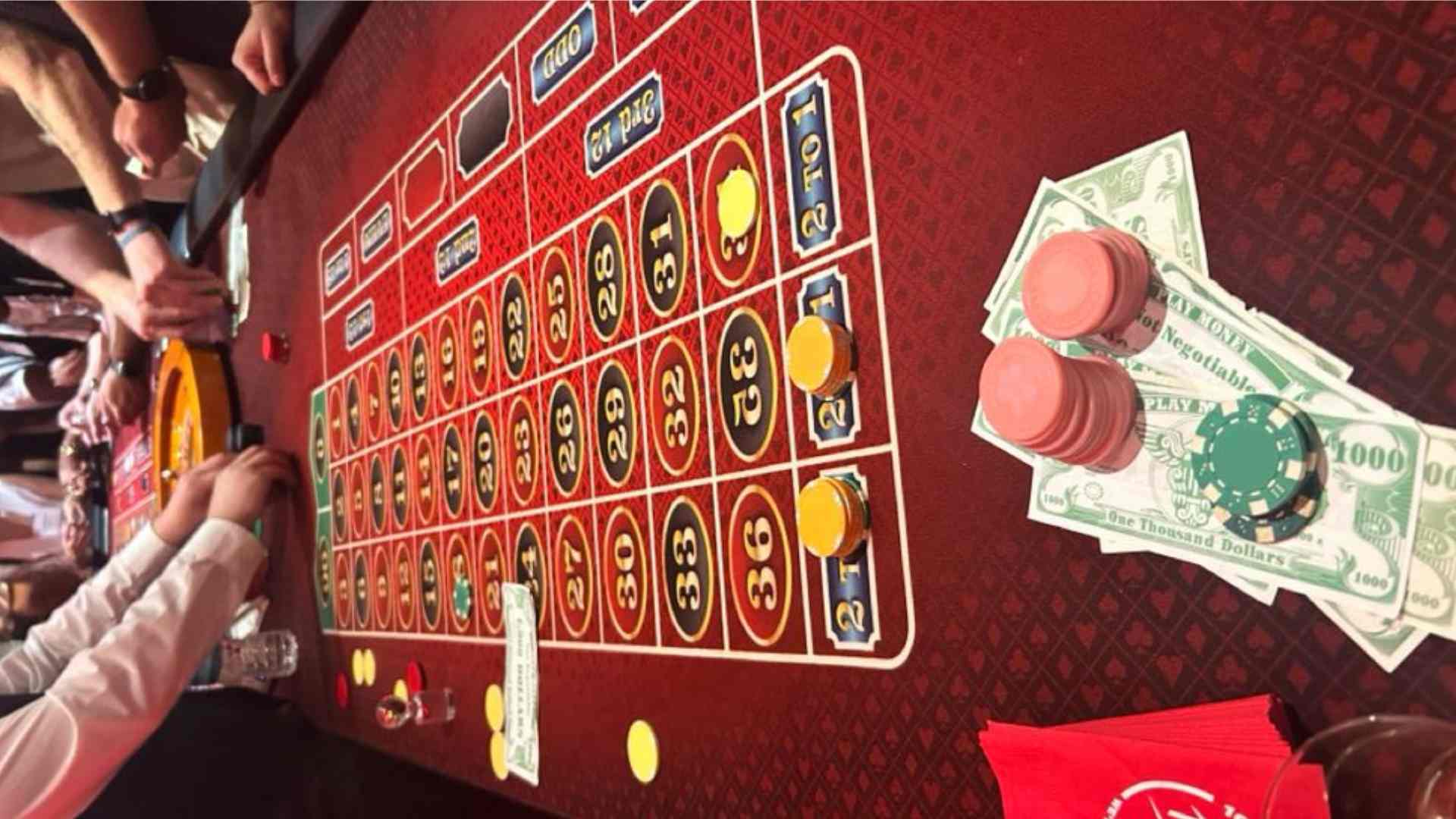
When entering a casino, many players seek options that offer the best mathematical odds of winning over time. Identifying which games present the lowest barriers to success involves evaluating both rules and underlying probability. Understanding statistical mechanics enables players to make calculated choices rather than relying purely on chance.
Understanding the Concept of House Edge
The house edge represents the mathematical advantage that a venue retains over players across extended gameplay. It is calculated as a percentage of all total wagers that the establishment expects to keep permanently. A lower edge directly correlates to higher statistical returns for participants over long sessions.
For instance, a game with a one percent edge retains roughly one dollar for every hundred dollars wagered overall. Recognizing this metric allows individuals to compare different table rules and machine payouts effectively. Managing expectations based on statistical averages leads to far more disciplined gameplay strategies.
Blackjack and Its Low Barrier to Success
Blackjack is widely regarded as one of the easiest casino games to win when players utilize basic strategy. The standard house edge can drop below half a percent when optimal decision-making charts are followed. Each hand offers actionable choices that directly influence the statistical outcome of the round.
Players looking to test strategies online often explore digital lobbies like 体育奖金 m88 to practice low-stakes hands. Simple tables allow users to master hitting, standing, and splitting rules without overwhelming complexities. Mastering basic strategy charts significantly minimizes the operator's mathematical advantage over time.
Baccarat for Straightforward Betting Decisions
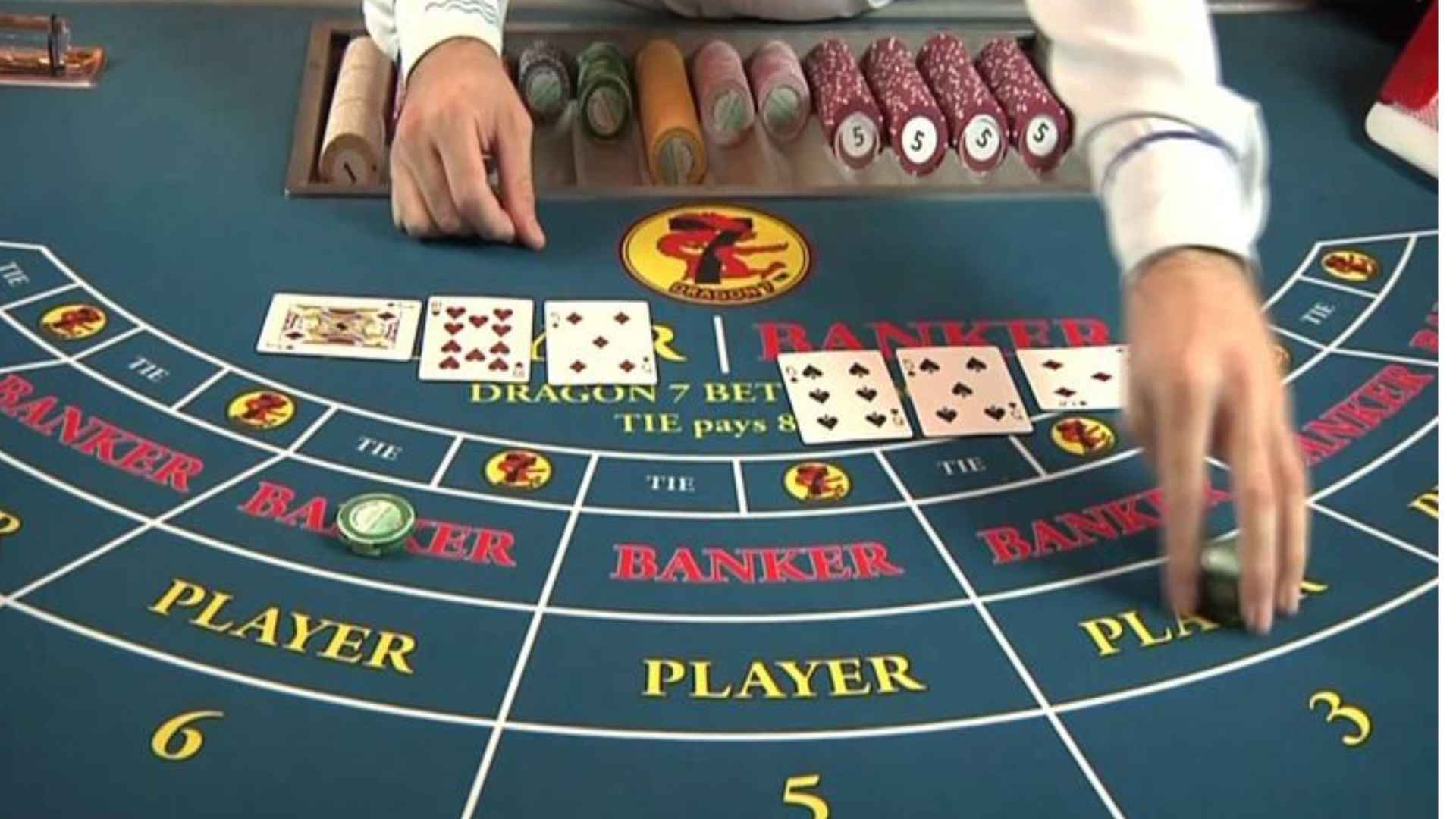
Baccarat offers exceptionally simple mechanics combined with some of the lowest house margins in gaming. Players choose between three primary outcomes: the Banker hand, the Player hand, or a Tie. The Banker wager carries a minimal edge of approximately 1.06 percent after accounting for standard commission.
Because the dealer handles all card distributions based on fixed table rules, players face zero complex decisions mid-hand. Betting consistently on the Banker position provides a straightforward approach with strong mathematical consistency. It remains an ideal choice for beginners who prefer low-stress decision-making.
Craps and High-Probability Even-Money Wagers
Craps may appear overwhelming due to its vibrant layout, but its fundamental wagers are remarkably player-friendly. The Pass Line and Don't Pass Line bets feature low house margins of roughly 1.41 percent and 1.36 percent. Furthermore, taking odds behind these bets carries no mathematical house edge whatsoever.
By focusing strictly on basic line bets, participants can enjoy excellent odds while avoiding complex proposition options. Avoiding risky single-roll bets protects overall bankrolls from high mathematical margins. Sticking to primary table bets maintains favorable statistical balances throughout active sessions.
Key Takeaways for Smart Gameplay
Choosing games with low house margins significantly improves long-term playing efficiency and session longevity. While no outcome is ever guaranteed, mathematical awareness ensures that wagers are placed on favorable terms. Responsible bankroll management remains the most critical component of a sustainable gaming strategy.

Unpredictable Reward Features That Encourage Continued Exploration
Modern digital platforms rely heavily on dynamic mechanisms to keep users curious and engaged over long periods. When systems introduce variable prize distributions instead of static milestones, participants naturally develop a stronger urge to inspect uncharted areas. This behavioral response explains why unpredictable reward features have become a foundational concept in contemporary software design.
The Science Behind Curiosity and Variable Outcomes
Human psychology naturally responds with heightened interest when an outcome contains an element of suspense. Rather than relying solely on linear advancement, dynamic platforms present unknown incentives to spark cognitive engagement. This uncertainty transforms routine tasks into meaningful journeys of ongoing discovery.
When individuals encounter variable feedback, the anticipation itself becomes an enjoyable part of the experience. The brain releases dopamine not just upon receiving a prize, but during the search phase. Consequently, unpredictable reward architecture acts as a powerful catalyst for prolonged interaction.
Transforming Standard Environments Into Discovery Hubs
Integrating undisclosed bonuses into digital spaces shifts how users navigate virtual environments. Instead of sticking strictly to primary objectives, participants are motivated to branch out and inspect alternative paths. This subtle shift in behavior enriches the overall experience by revealing secondary layers of content.
Furthermore, random incentives prevent repetitive interactions from feeling tedious or predictable over time. Users often return to familiar interfaces simply to experience the novel possibilities embedded within the reward schedule. For instance, platform users frequently look for a special m88 促销代码 to discover exclusive promotions and hidden perks during their sessions.
Maintaining Balance Between Risk and Fulfillment
For variable systems to remain effective, developers must establish a transparent baseline of equity. If rewards feel completely unobtainable or overly skewed toward extreme chance, user trust can diminish rapidly. Achieving an optimal balance ensures that every attempt feels worthwhile regardless of the specific item received.
Successful models often combine guaranteed basic incentives with occasional high-value surprises. This hybrid framework establishes a safety net for regular progression while leaving room for spontaneous excitement. As a result, users feel both secure in their effort and eager to continue exploring.
The Long Term Impact on Digital Replayability
Sustainable user retention depends heavily on how fresh an experience remains after initial goals are completed. By continuously varying the distribution and nature of perks, platforms extend their natural lifecycle significantly. This dynamic nature keeps community interest active across extended operational periods.
Ultimately, mystery-driven mechanics highlight how modern software bridges psychological principles with functional user design. As digital ecosystems evolve, dynamic rewards will remain central to building immersive, highly replayable environments. Designing these elements thoughtfully ensures that curiosity continues to drive meaningful exploration.
Understanding The Order Of Operations In Bridge
Contract bridge is a game of precise sequencing where playing cards in the correct sequence determines whether a contract succeeds or fails. Master card players approach each deal by establishing a strict order of operations, analyzing the auction, managing entries, and timing their trump control. Navigating these phases step by step allows players to minimize risk and maximize winning opportunities at the table.
Analyzing the Auction Phase First
The sequence of operations in any bridge hand begins long before the first card hits the table. During the bidding phase, players exchange vital information regarding point distribution, suit lengths, and potential defensive threats. Taking time to process these auction clues gives the declarer a clear picture of how to plan subsequent plays.
A thorough assessment during the auction prevents hasty plays that could jeopardize the contract. Experienced players count high-card points and mentally map out opposing suit distributions before selecting an opening strategy. This initial analytical step lays the groundwork for seamless execution during trick play.
Managing Hand Entries and Timing
Once the opening lead is made, establishing entry control becomes the immediate priority for the declarer. Navigating back and forth between the declarer's hand and the dummy requires careful calculation of available transportation. Playing high cards prematurely without securing entries can isolate winning tricks and stall momentum.
Establishing long suits early ensures that suit length can be converted into established winners later in the hand. Players looking for digital platforms to test their strategic timing often explore resources like m88 促销代码 to find competitive card environments. Maintaining fluid entry management ensures that every planned trick remains fully accessible throughout play.
Executing Trump Control and Finesses
The next vital step in the sequence involves managing the trump suit to neutralize opposing threats. Drawing trumps early prevents opponents from ruffing established side-suit winners, thereby securing the declarer's advantage. However, when trumps must be preserved for control, delaying this step is crucial for overall hand survival.
Timing finesses correctly within the order of play also impacts the overall success rate of a contract. Initiating a finesse from the correct hand ensures that risk is properly managed according to probability. Following a structured tactical sequence allows players to navigate tricky suit layouts with confidence.
Refining the Endgame Sequence
As the remaining cards diminish, the final operational phase relies on precise counting and endgame techniques. Tracking missing honors and key suit splits enables declarers and defenders to execute squeezes or endplay maneuvers. Making well-timed decisions in the closing tricks frequently transforms average results into decisive match victories.
Reviewing completed hands helps players identify sequencing errors and improve their overall table judgment over time. Consistent evaluation of play order builds strong analytical habits that directly translate to higher performance. Mastering the natural flow of operations remains the ultimate hallmark of a skilled bridge strategist.