Learning Through Digital Number Games
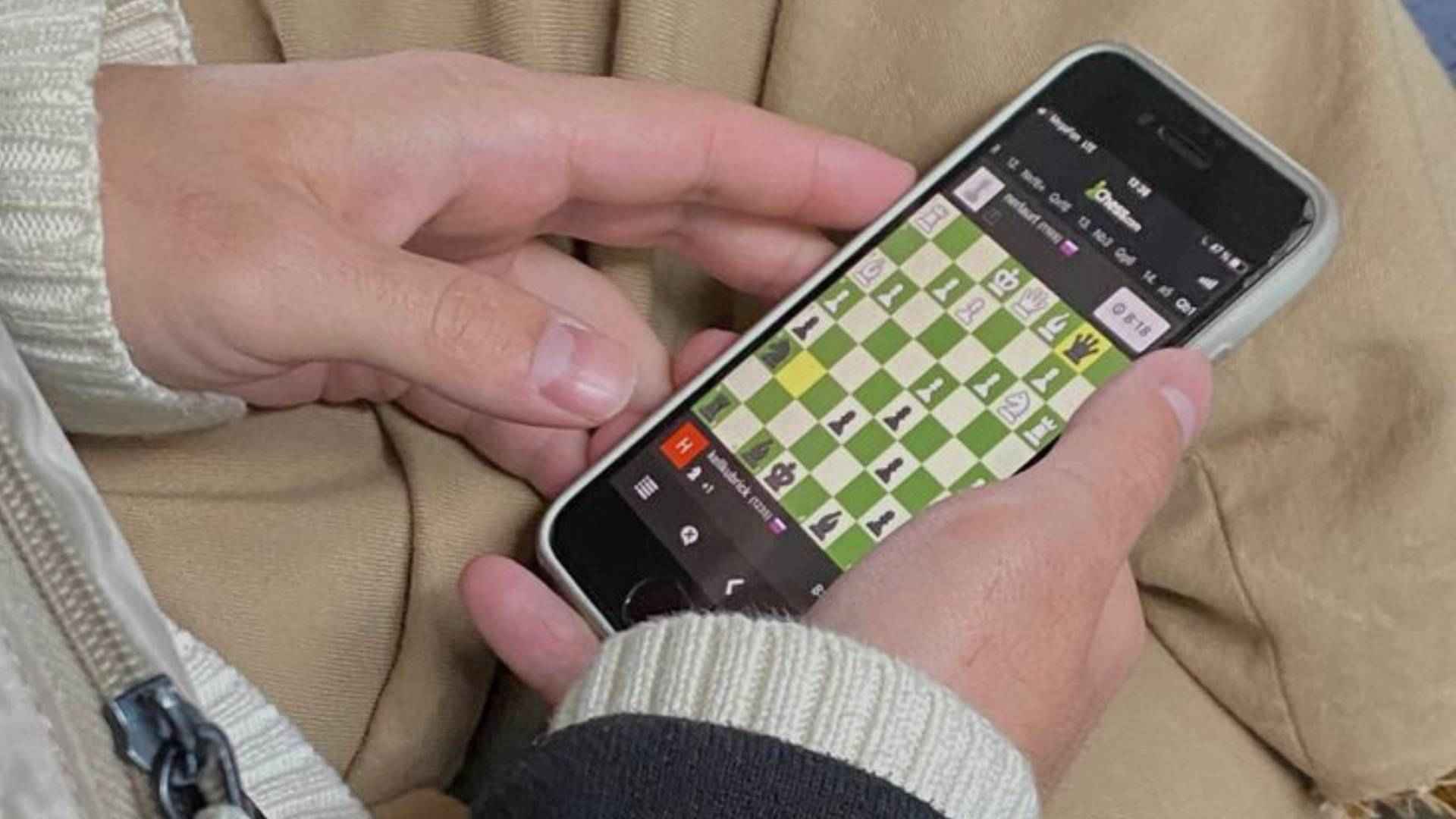
The integration of digital entertainment into educational frameworks has fundamentally transformed how modern learners interact with mathematical concepts. Digital number games have emerged as powerful tools that bridge the gap between abstract arithmetic and immersive engagement. By shifting away from rigid textbook formulas, these interactive platforms provide a dynamic space where students can build confidence while mastering essential numerical skills.
The Evolution of Mathematical Instruction
Traditional methods of teaching mathematics often rely heavily on rote memorization and repetitive drills, which can lead to early student disengagement. In contrast, modern digital puzzles introduce adaptive learning environments that respond to a student's individual progress. This personalized approach ensures that learners are neither overwhelmed by complex problems nor bored by overly simplistic exercises.
Furthermore, the visual feedback provided by digital interfaces helps clarify spatial relationships and numerical magnitudes almost instantly. Students can experiment with different problem-solving strategies in a low-stakes environment that encourages critical experimentation. This shift from passive listening to active participation forms the foundation of deep conceptual understanding.
Enhancing Cognitive Skills Through Gameplay
Engaging regularly with numerical challenges stimulates vital areas of the brain responsible for executive function and working memory. Players must analyze variables, predict numerical outcomes, and retain complex rules simultaneously to advance through different levels. Over time, this consistent mental workout significantly improves information processing speeds and daily analytical thinking.
Many contemporary platforms also incorporate structural logic and pattern recognition elements that extend far beyond basic counting drills. For instance, accessing a reliable resource like the m88 link mobile allows enthusiasts to discover structured digital activities designed to sharpen strategic planning. Developing these higher-order cognitive abilities provides students with problem-solving frameworks applicable to various real-world scenarios.
The Psychology of Gamified Learning
One of the primary benefits of digital educational games is their inherent capacity to sustain high levels of intrinsic motivation. By utilizing immediate rewards, points systems, and milestone tracking, these games transform challenging subjects into enjoyable milestones. This psychological alignment helps minimize mathematical anxiety, creating a positive attitude toward lifelong learning.
When students view numerical challenges as attainable goals rather than stressful obligations, their capacity for retention increases naturally. The combination of structured entertainment and deliberate practice turns complex problem solving into a rewarding cognitive habit. As technology continues to diversify, the potential for digital gaming to reshape global education remains incredibly promising.